


Vietnam is one of Southeast Asia’s most varied countries for adventure travel, offering mountains, caves, coastlines, and river systems within a single journey. The best adventure travel destinations in Vietnam combine natural landscapes with cultural context, allowing travelers to explore remote areas while engaging with local communities. This guide outlines practical destinations suited to a [...]
 admin
admin


Vietnam is one of Southeast Asia’s most varied countries for adventure travel, offering mountains, caves, coastlines, and river systems within a single journey. The best adventure travel destinations in Vietnam combine natural landscapes with cultural context, allowing travelers to explore remote areas while engaging with local communities.
This guide outlines practical destinations suited to a nature and adventure itinerary, from northern valleys and central cave systems to lesser-visited coastal and Mekong Delta regions. Each location is selected for travelers who value slower travel, meaningful experiences, and well-paced exploration rather than high-volume sightseeing.
Vietnam’s geography allows travelers to experience mountains, forests, coastlines, and river systems within relatively short travel distances. Many of these landscapes remain closely tied to local traditions and daily routines.
Adventure travel in Vietnam often involves:
This approach works equally well for first-time visitors and seasoned travelers looking for depth rather than volume.
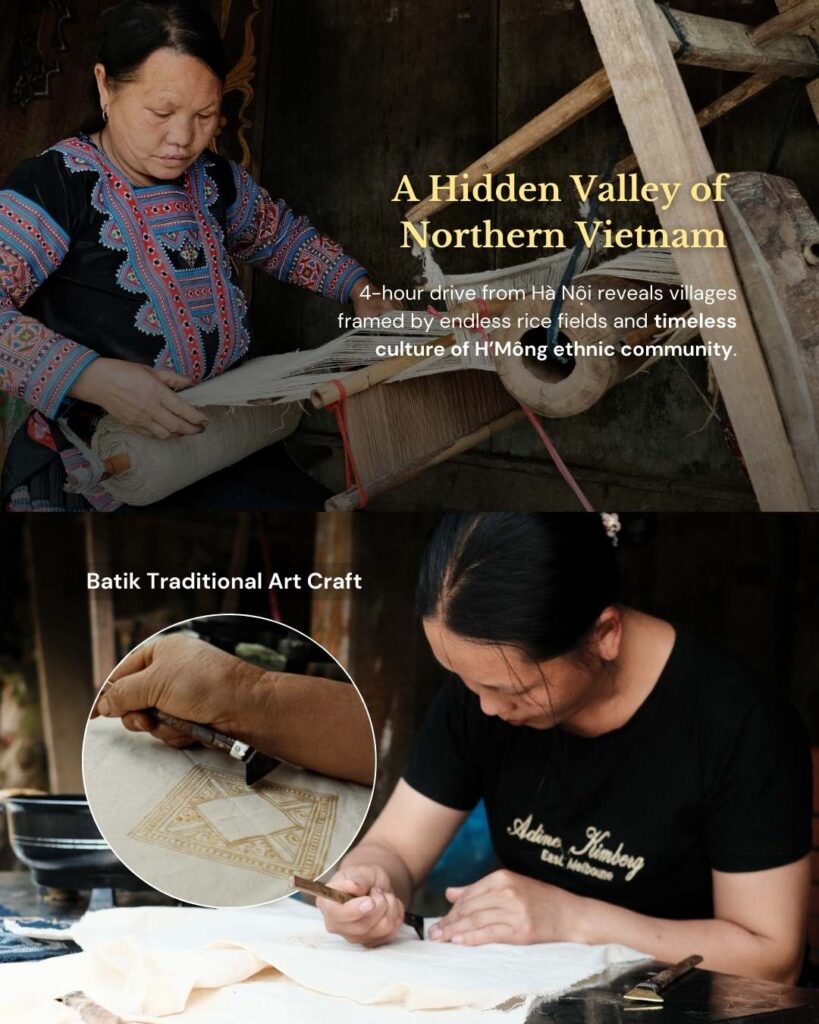
Mai Châu is a quiet valley in northern Vietnam, around a four-hour drive from Hanoi. The area is known for rice fields, traditional stilt houses, and communities of Thái and H’Mông ethnic groups.
The valley’s relatively flat terrain makes it accessible while still feeling remote.
Located roughly two hours from Mai Châu, Pù Luông offers more active exploration. Hiking routes pass through valleys, rice terraces, and villages, allowing travelers to observe agricultural life and rural landscapes.
This extension suits travelers interested in light to moderate trekking.
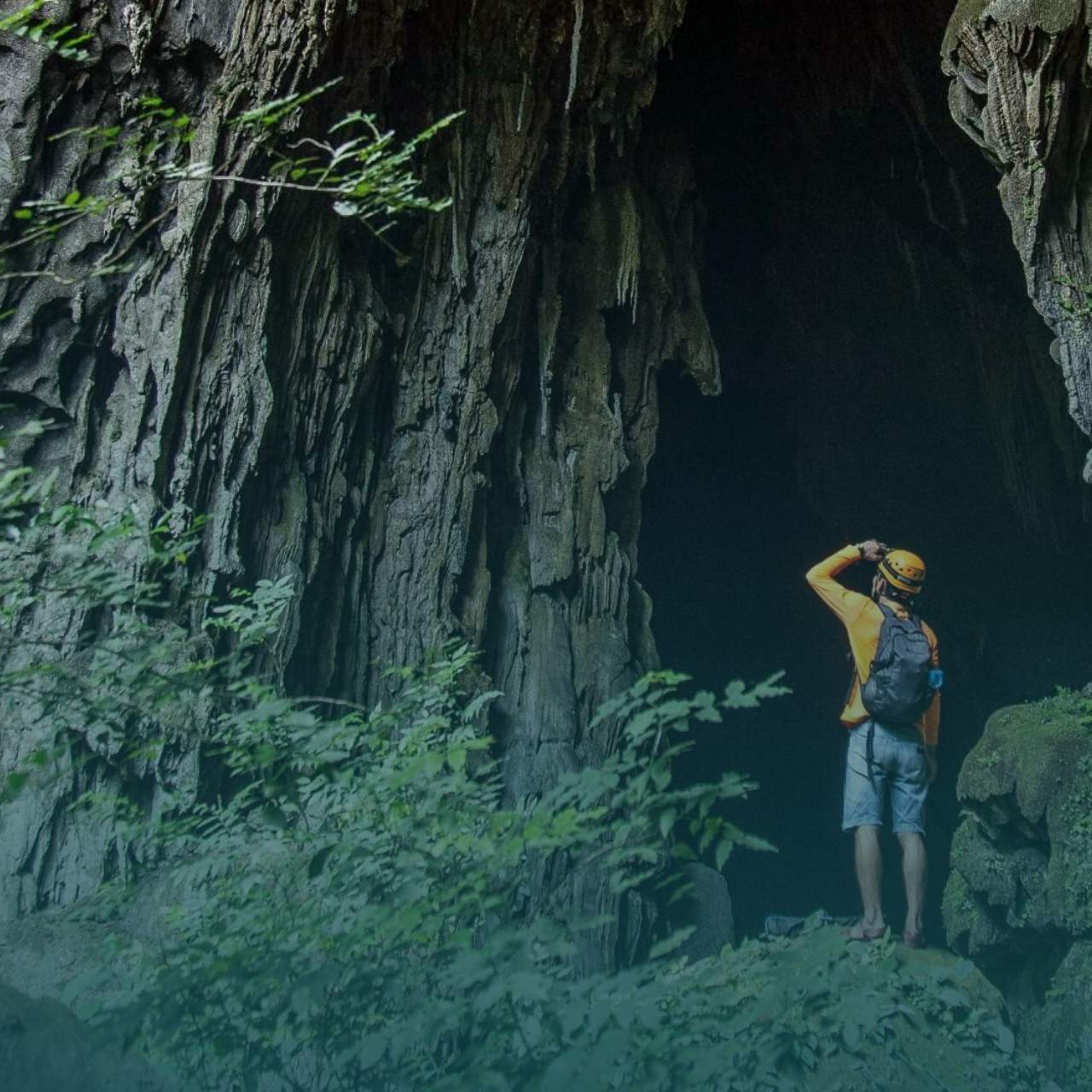
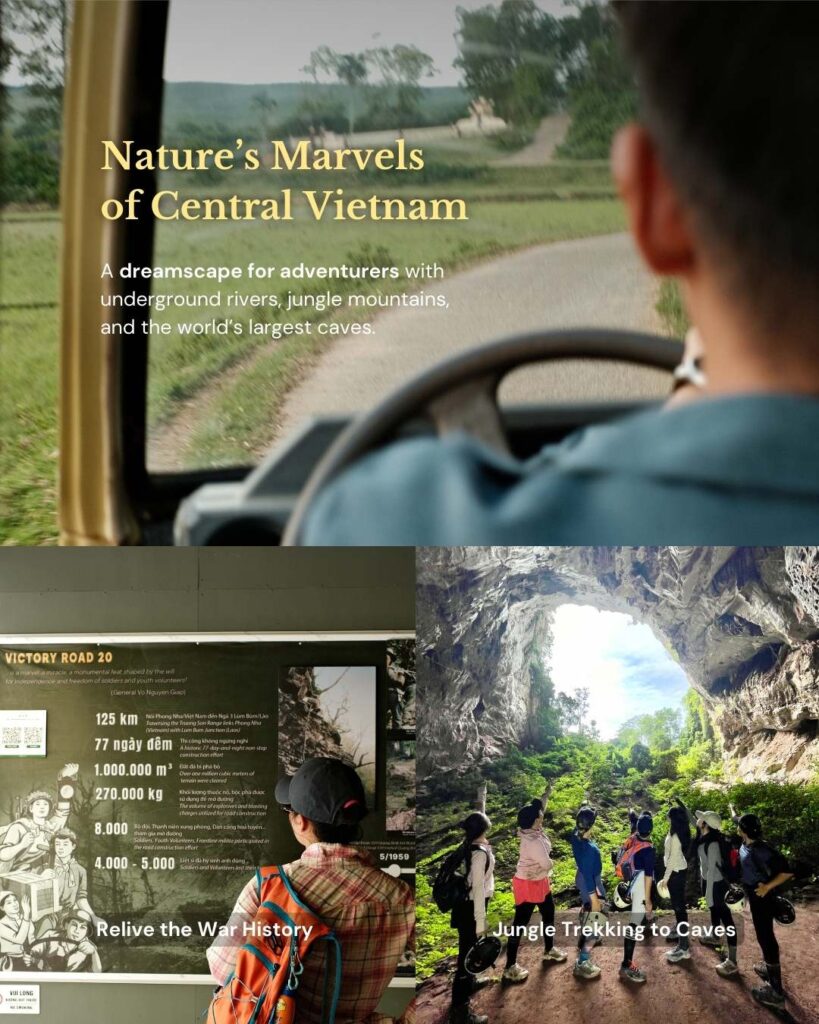
Phong Nha – Kẻ Bàng National Park, located in Quảng Bình Province, is a UNESCO World Heritage Site known for its extensive cave systems and forested landscapes. The park covers more than 123,000 hectares and includes underground rivers, primary and secondary forests, and large cave formations.
Some areas have limited mobile connectivity, which naturally reduces reliance on digital devices during activities. For travelers seeking more physical challenge, Phong Nha also offers demanding trekking routes, including full-day hikes or overnight cave camping.
Recommended stay: 3 days / 2 nights
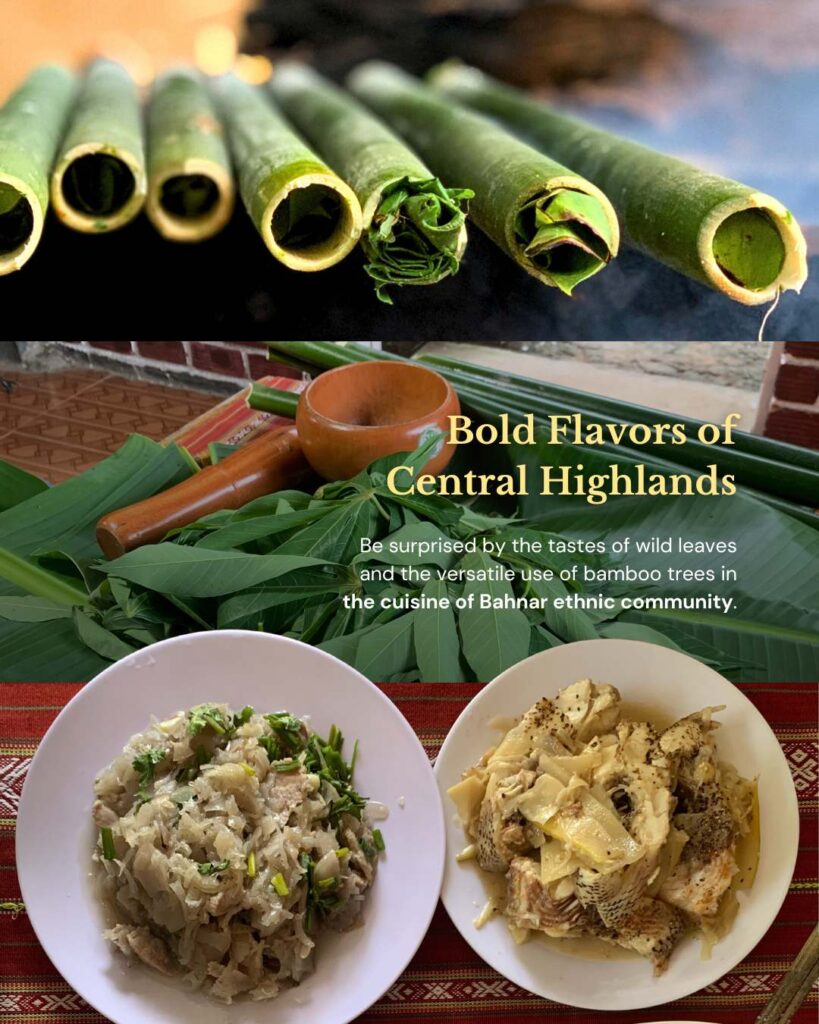
Kon Tum and nearby Pleiku are located in Vietnam’s Central Highlands, a region characterized by plateaus, rivers, and culturally diverse ethnic communities, including the Bahnar, Jrai, and Ede.
The Bahnar traditionally live in villages (plei) located near rivers or flat land. Communal houses, known as nhà rông, serve as central spaces for meetings and cultural activities.
Travel here focuses on cultural understanding, observation, and conversation rather than structured sightseeing.
Recommended stay: 4 days / 3 nights
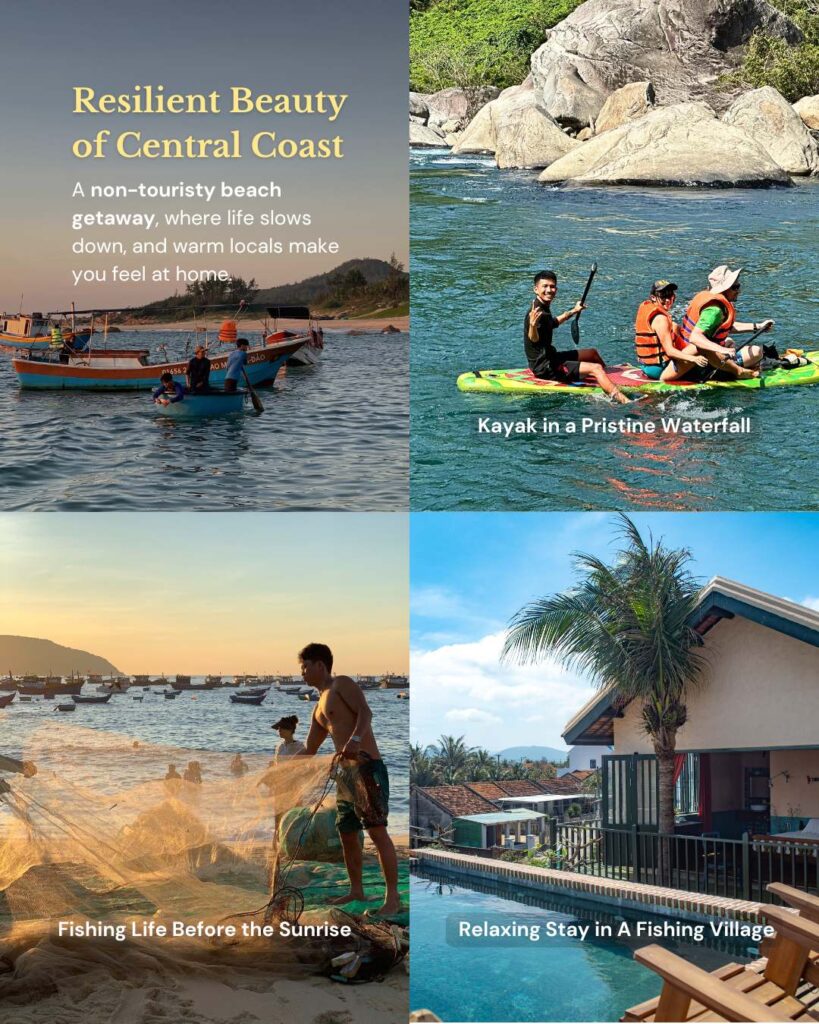
Phú Yên is a coastal province in central Vietnam with approximately 200 kilometers of coastline. It remains less developed for tourism than many neighboring regions.
Tuy Hòa, the provincial capital, includes beaches, historical sites, and Mang Lang Church, one of Vietnam’s older churches, built in a Gothic architectural style.
Phú Yên suits travelers looking for coastal scenery combined with everyday local rhythms.
Recommended stay: 4 days / 3 nights
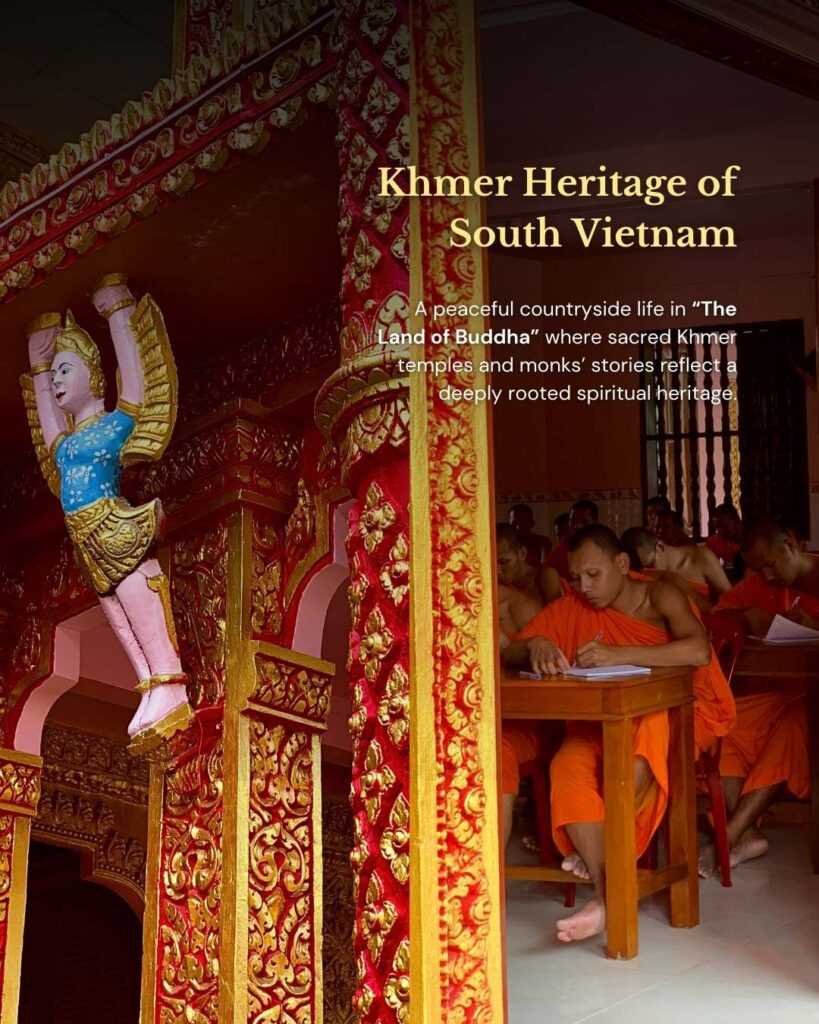
Trà Vinh is located in southern Vietnam within the Mekong Delta and is known for its strong Khmer cultural presence. The province is home to a large Khmer population, reflected in religious architecture, cuisine, and traditions.
From Trà Vinh, travelers can also extend their journey to Sóc Trăng, another region known for Khmer temples and bird sanctuaries.
Recommended stay: 3 days / 2 nights
A balanced nature and adventure itinerary typically includes:
Climate and timing play an important role.
For families or multi-generational groups, pacing and activity selection may require additional planning.
Many adventure travel destinations in Vietnam are rural or culturally sensitive. Travelling with local guides and community-based partners helps support respectful interaction and long-term sustainability.
For further reading on responsible travel practices: you can read What Makes These Two Businesses Vietnam’s Best-Kept Sustainable Travel Stories?
Vietnam’s adventure destinations are best explored through itineraries that prioritize time, context, and local knowledge. Private travel allows flexibility in pacing, accommodation, and activities, particularly in less-visited regions.
Chôm Chôm Travel specializes in designing private journeys focused on nature, culture, and practical logistics without unnecessary complexity.
INQUIRE NOW


© 2025 Chôm Chôm Travel All right reserved.