





Vietnam’s regional specialties tell the story of its diverse landscape and heritage. From mountain tea gardens to coastal markets, the best local products to buy in Vietnam reflect centuries of tradition and craftsmanship. This guide takes you through each region’s signature items—what to look for, where they come from, and why they matter. North Vietnam: [...]
 admin
admin


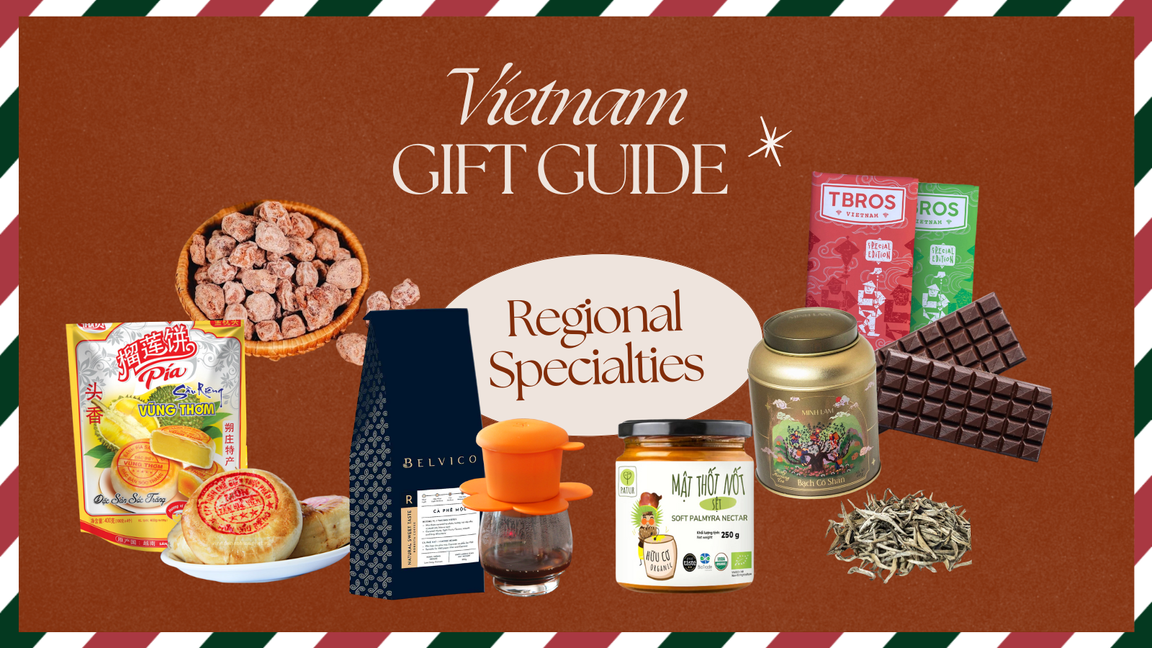
Vietnam’s regional specialties tell the story of its diverse landscape and heritage. From mountain tea gardens to coastal markets, the best local products to buy in Vietnam reflect centuries of tradition and craftsmanship. This guide takes you through each region’s signature items—what to look for, where they come from, and why they matter.
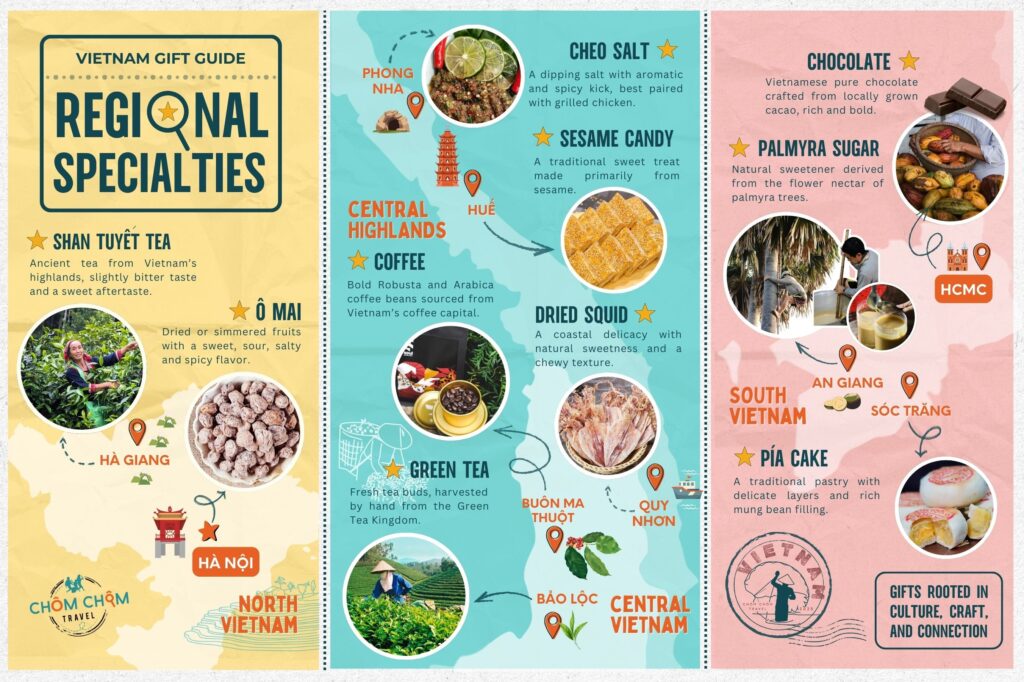
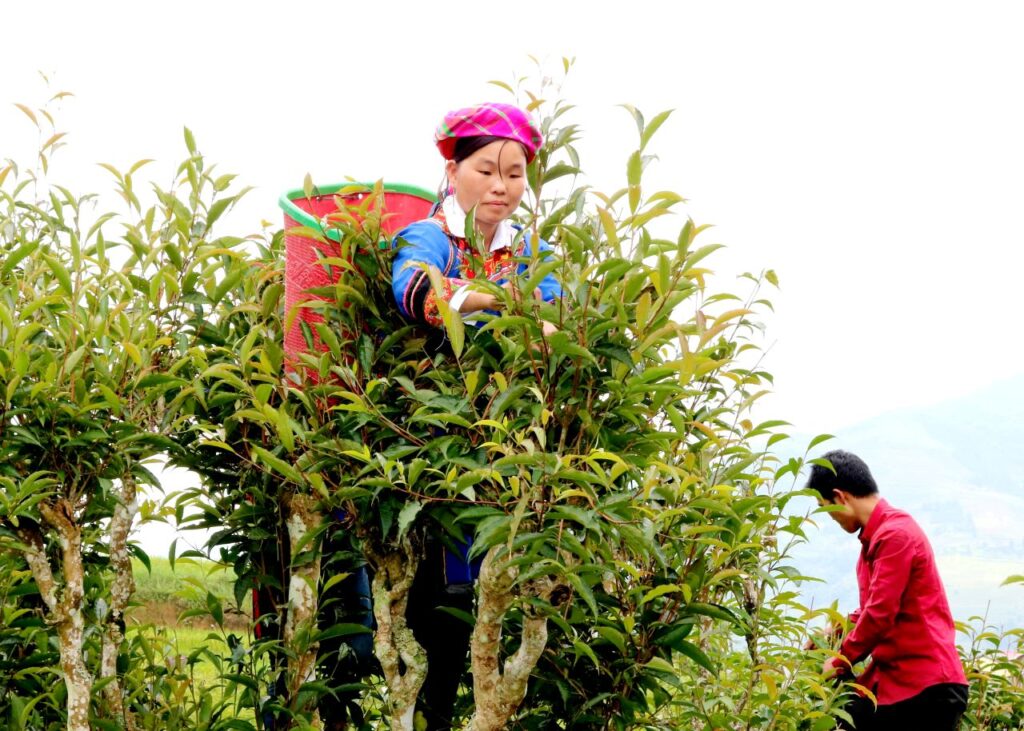
High in Ha Giang’s karst mountains, ancient tea trees produce Vietnamese tea unlike any other. Shan Tuyet (Snow Tea) grows wild at elevations above 1,500 meters, where morning mist and cool temperatures create its distinctive aroma—slightly bitter yet sweet, with a clean aftertaste.
What to look for: Whole, intact leaves with a silvery-white coating. Authentic Shan Tuyet comes from trees aged 200+ years. Ask vendors about harvest altitude and processing methods.
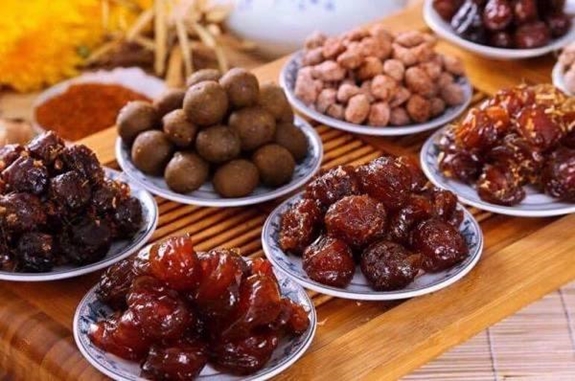
Hanoi’s beloved local Vietnamese snacks start with fresh apricots, plums, or kumquats preserved with sugar, salt, and spice. These dried or simmered fruits deliver a sweet-sour punch that’s uniquely Vietnamese—some varieties add ginger heat, others lean toward caramel notes.
Insider tip: The best Ô Mai shops cluster in Hanoi’s Old Quarter. Look for fruit pieces that aren’t overly sticky or coated in excess sugar. Quality Ô Mai should taste of the fruit first, with seasoning as accent.
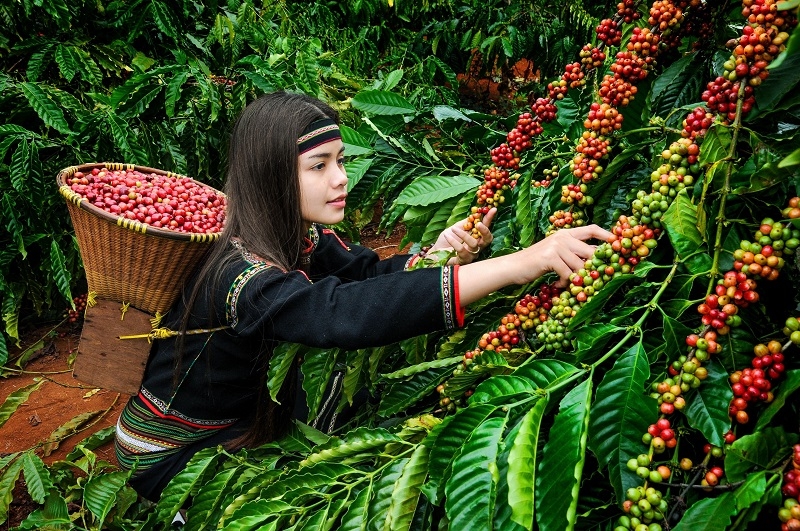
Vietnam’s coffee capital sits in the Central Highlands, where volcanic soil and stable temperatures create ideal growing conditions. Buon Ma Thuot produces both bold robusta and smooth arabica beans sourced from Vietnam’s coffee kingdom.
What makes it special: The region’s Vietnamese coffee carries notes of dark chocolate and caramel, with full body and low acidity. Look for whole beans over pre-ground coffee to maintain freshness.
Explore the coffee culture firsthand on our Buon Ma Thuot crafted culture trips, where you’ll meet farmers and roasters who’ve shaped Vietnam’s coffee identity.
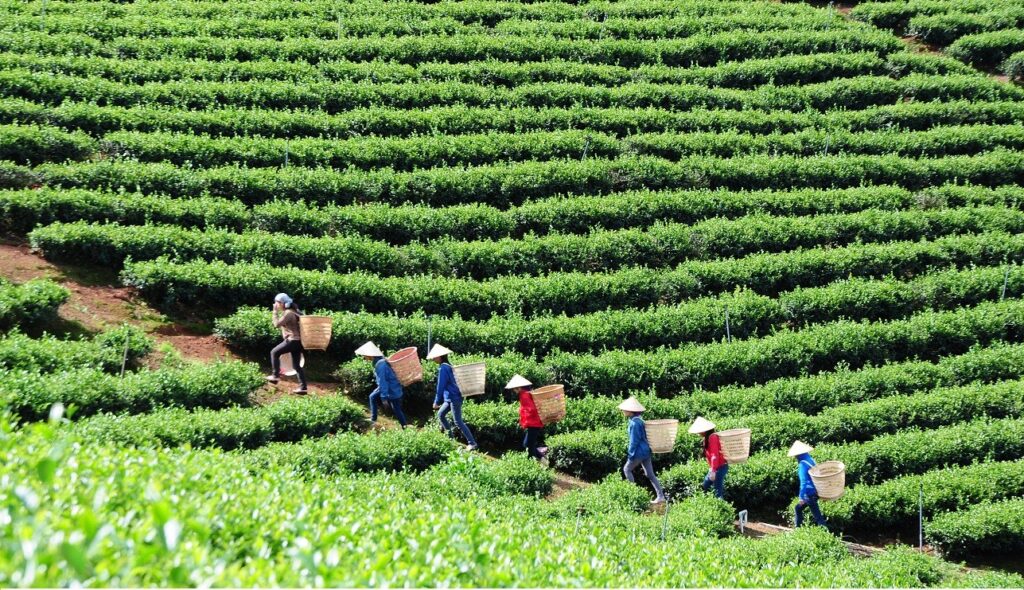
Fresh tea builds flavor layers by hand from the lush tea plantation in Bao Loc. This region specializes in premium green tea with delicate vegetal notes and natural sweetness. The cool highland climate produces tender leaves perfect for daily brewing.
Brewing tip: Use water just below boiling (80°C) to preserve green tea’s subtle flavors. Quality Bao Loc tea can be steeped multiple times, each infusion revealing new dimensions.
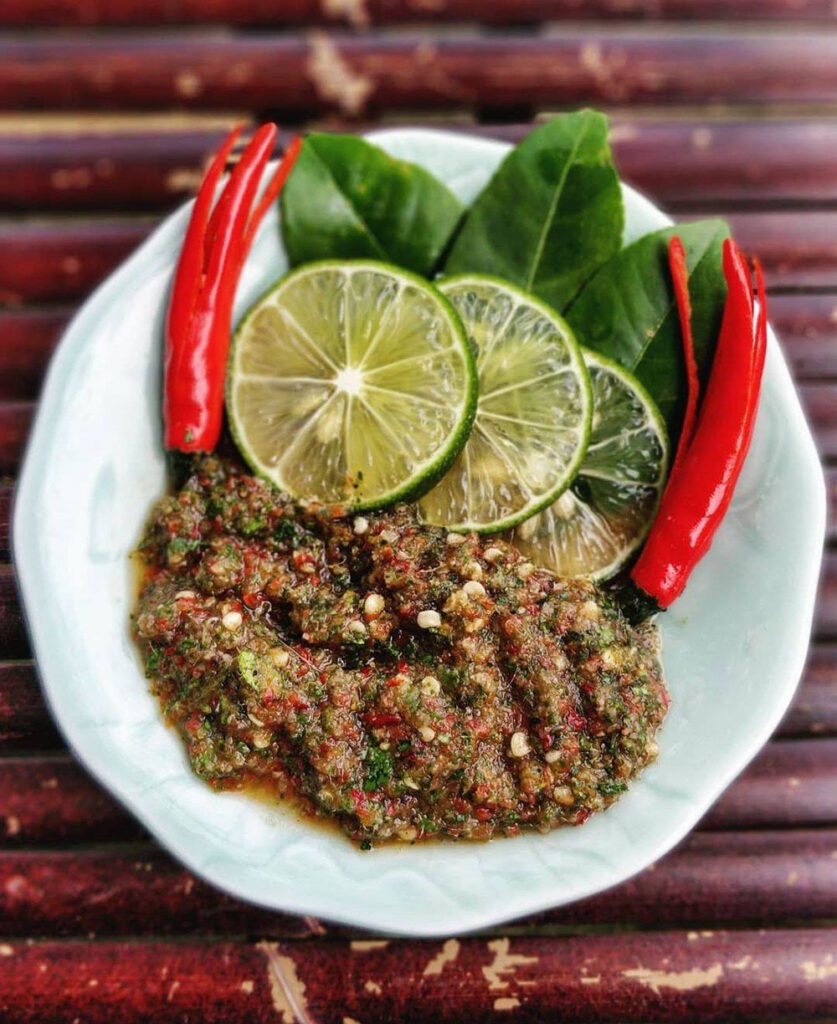
This unique dipping salt comes from Phong Nha’s limestone region, where local cooks blend it with aromatic herbs and spicy kick. Cheo salt pairs perfectly with grilled chicken, adding savory depth and gentle heat that enhances rather than overpowers.
How to use it: Beyond poultry, try Cheo salt with grilled vegetables, roasted meats, or as a finishing touch on rice dishes. The texture should be slightly coarse with visible herb flecks.
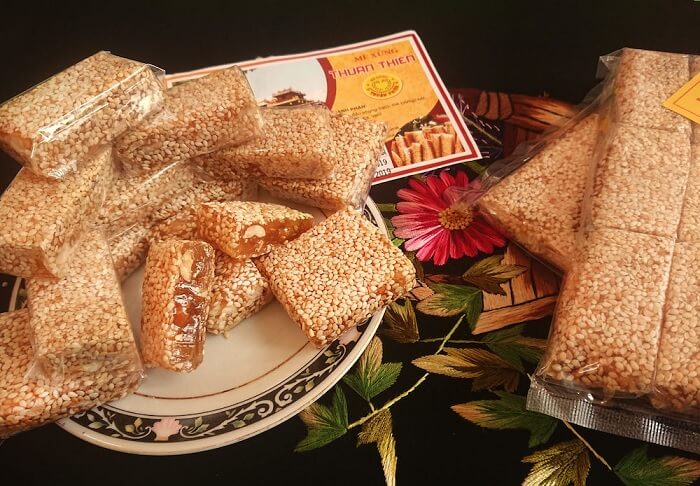
Hue’s royal heritage shows in its sweets. This traditional treat made primarily from sesame creates thin, brittle sheets that dissolve on the tongue. The best versions balance sesame’s natural nuttiness with just enough sweetness.
Pairing suggestion: Serve alongside Vietnamese tea in the traditional Hue style—the candy’s richness complements tea’s clean finish.
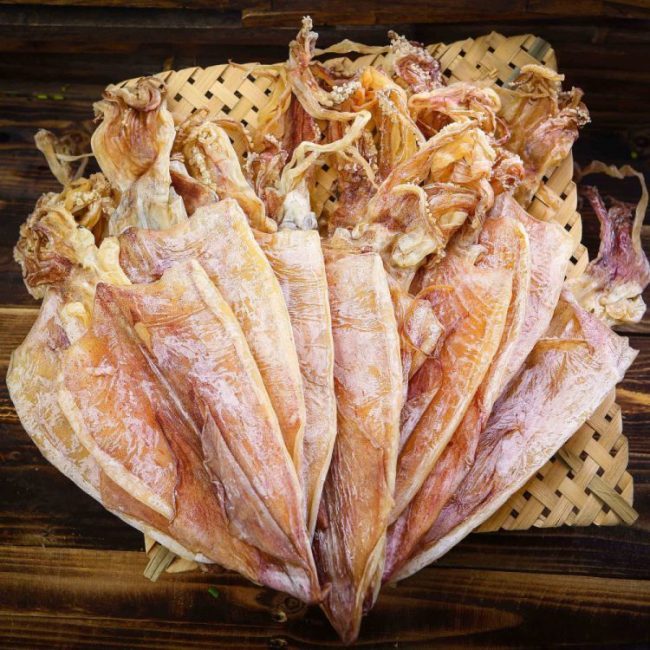
Quy Nhon’s fishing culture produces exceptional dried squid. Fresh catch gets sun-dried within hours, preserving natural sweetness and creating a chewy texture that’s never tough. This coastal delicacy delivers pure ocean flavor.
Quality check: Premium dried squid has an even golden color and mild ocean scent. Avoid pieces that look dull or smell overly fishy.
Vietnamese pure chocolate crafted from locally grown cacao showcases the country’s emerging chocolate scene. Artisan makers source beans from Vietnam’s growing regions and experiment with local flavor profiles—from traditional spices to bold innovations. You can find a variety of local chocolate brands in Ho Chi Minh City (e.g. Hallelu, Alluvia, Tbros etc.) that bring high quality chocolate with signature taste.
Discover more of Saigon’s innovative food scene through our guide to visiting Saigon in 2025.
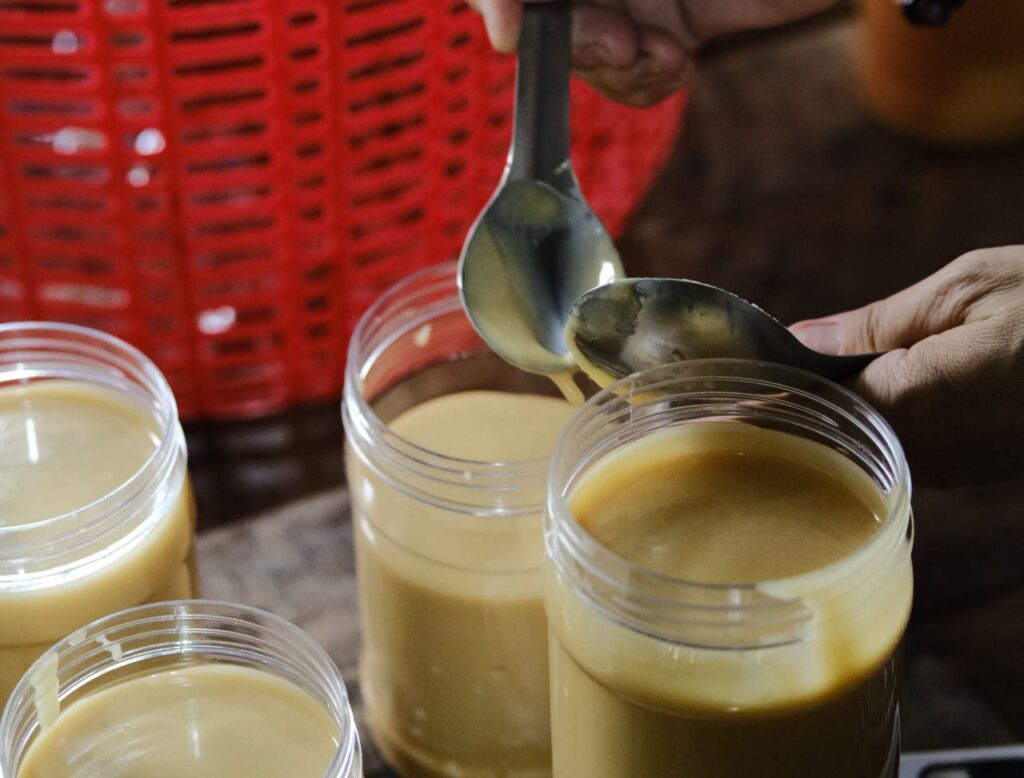
An Giang’s palmyra palms produce this natural sweetener derived from the flower nectar of palmyra trees. The process is labor-intensive—workers climb daily to collect sap, then gently reduce it to crystalline sugar. The result tastes of caramel with subtle mineral notes.
Uses: Dissolve in beverages, sprinkle over desserts, or use in cooking as you would cane sugar or palm sugar. Palmyra sugar adds complexity to both sweet and savory dishes.
Interested in watching artisans make palmyra from scratch? We can arrange a custom experience in An Giang’s palmyra villages.
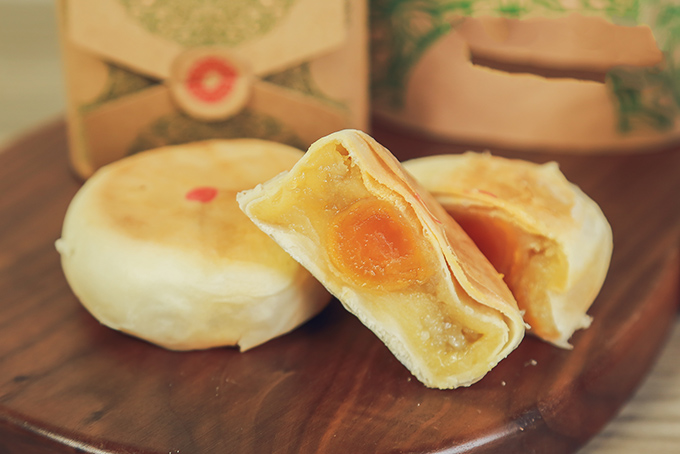
The Mekong Delta’s signature pastry comes from Sóc Trăng, where bakers have perfected Pía for generations. This traditional pastry features delicate layers of flaky crust and rich mung bean filling that melts in your mouth.
Storage tip: Pía keeps well for weeks when wrapped properly, making it ideal for bringing home. The texture should be crisp outside, smooth inside.
Learn about Mekong’s food traditions on journeys that go beyond one day in the Delta.
The best local products to buy in Vietnam aren’t just souvenirs—they’re gifts rooted in culture, craft, and connection. From mountain tea to Mekong sweets, each item tells the story of the people and landscapes that shaped it.
At Chôm Chôm Travel, we design private tours that include authentic shopping experiences, not tourist traps. Our local experts introduce you to producers, explain what makes products special, and ensure you bring home the real thing.
Ready to explore Vietnam’s regional treasures? Submit a request to start planning your 2026 adventure with us today.
INQUIRE NOW


© 2025 Chôm Chôm Travel All right reserved.

