


Huế rewards those who linger. Discover different ways to experience Vietnam's imperial city.
 quynh.bui


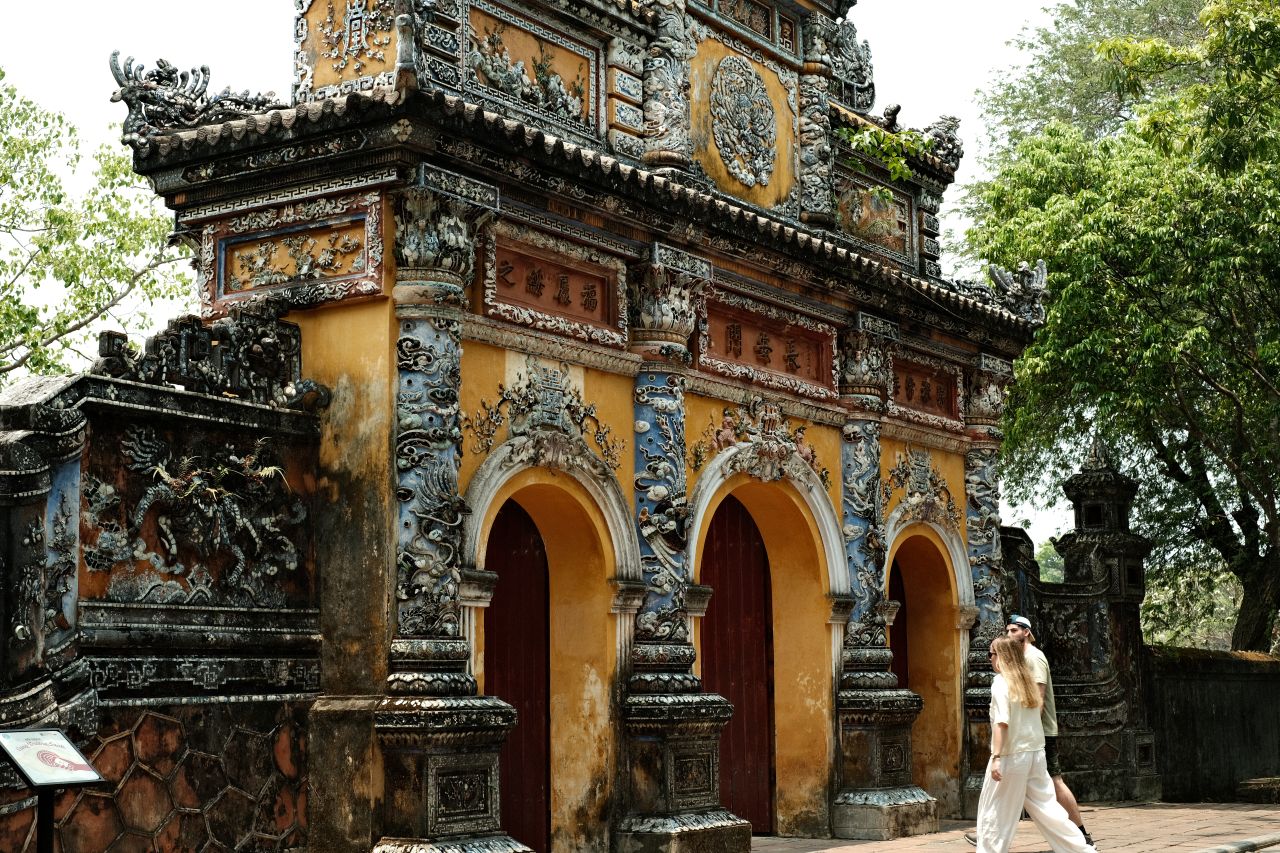
Most travellers give Huế a day and a half. They walk the Imperial Citadel, order a bowl of Bún Bò Huế, and catch the next bus south. They ticked the box. But they didn’t really arrive.
Huế, Việt Nam’s former imperial capital, doesn’t rush to impress. It waits. And the longer you stay, the more it gives. In layers, in stories, in mornings on the river you weren’t expecting to remember for years.
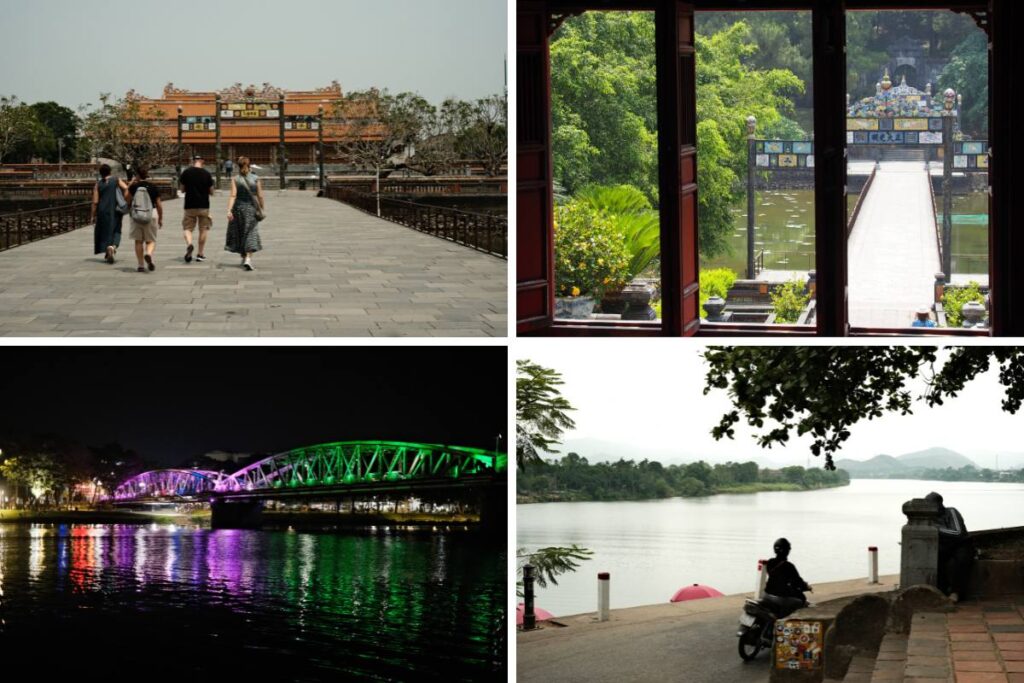
There’s a specific mood to Huế that’s hard to name right away.
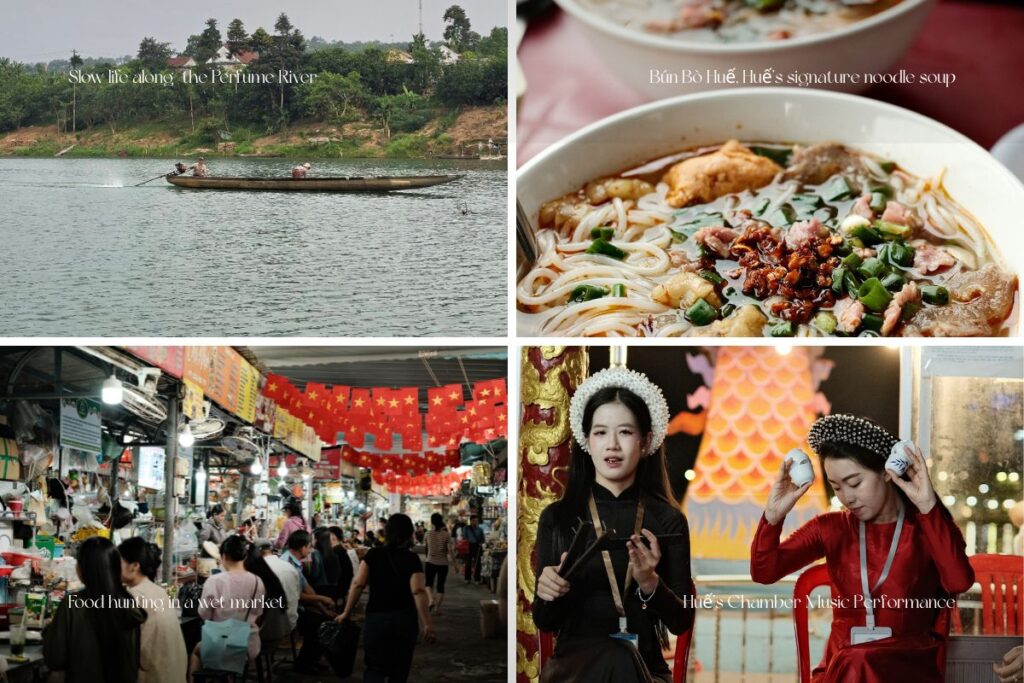
The Perfume River moves through the city at its own pace, slow and grey-green in the early light. By 6 am, vendors are already setting up trays of bánh bèo (steamed rice cakes topped with dried shrimp and scallion oil), and the smell of charcoal drifts from doorways before the city has fully woken up.
Huế was Vietnam’s imperial capital for nearly 150 years under the Nguyễn Dynasty. The Imperial Citadel is a UNESCO World Heritage Site. The royal tombs scatter across the hillsides south of the city, each one a different character. Some grand and mosaic-bright, others quiet and half-returned to the forest.
But what makes Huế genuinely interesting isn’t the list of sites. It’s the feeling that history here is still unfinished. The Complex of Huế Monuments is mid-restoration. The Nha Nhac court music that nearly disappeared during the 20th century is being actively revived and protected by UNESCO. And the people of Huế carry a particular kind of pride. Unhurried, dignified, curious about who you are.
Huế was also named one of the best places to visit in Asia by Travel + Leisure Asia, and it’s easy to understand why you should spend more than a day here.
The city reveals itself differently depending on what kind of traveller you are.
Here are three ways in.
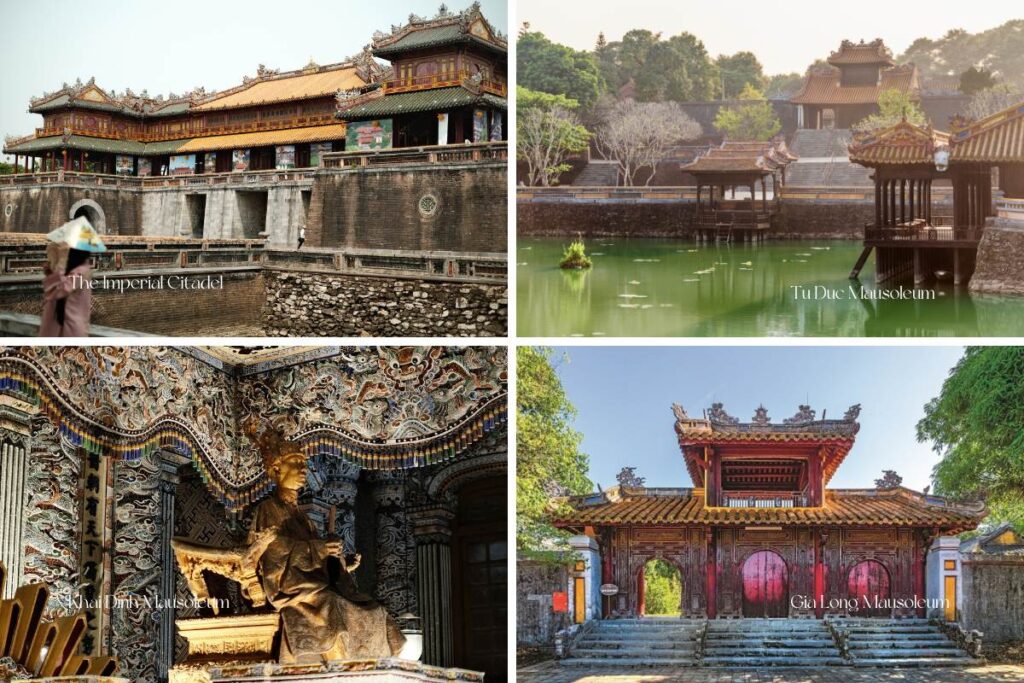
📌 What draws you here: You don’t just want to see the Citadel and royal tombs. You want to understand what the story behind it is, and what it means that it’s still standing.
The Complex of Huế Monuments covers seven square kilometres. The Forbidden Purple City, the innermost sanctum reserved exclusively for the emperor and his court, once held 160 buildings. Only about 10 survived the Tet Offensive (Tết Mậu Thân) of 1968. Standing in it now, knowing that, changes what you’re looking at.
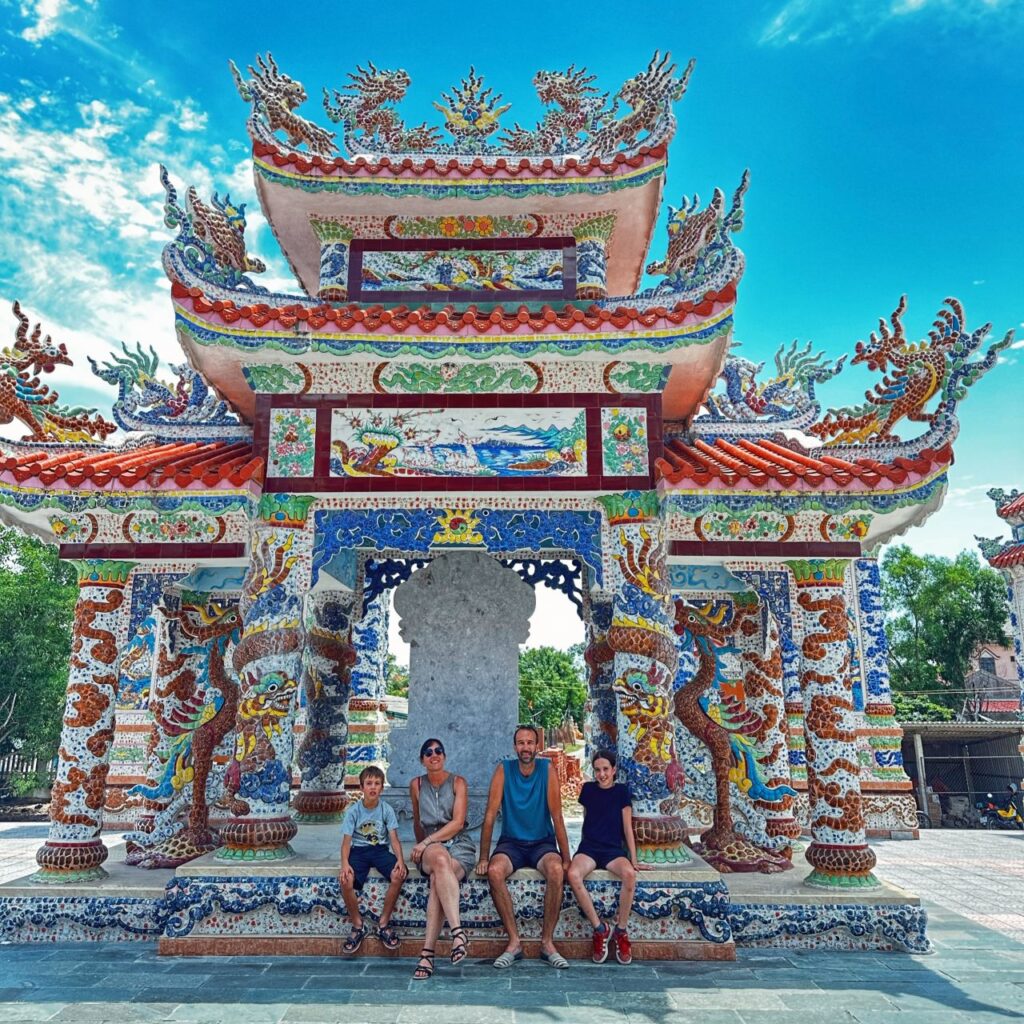
The royal tombs each tell a completely different story. The Tomb of Tự Đức sits inside a compound of lakes, pavilions, and temples, designed by the emperor himself as a retreat during his own lifetime. The Tomb of Khải Định is something else entirely. It’s a fusion of Vietnamese imperial architecture and European baroque, its interiors covered in intricate ceramic mosaic that took 11 years to complete. Then there’s the Gia Long Mausoleum, the tomb of the dynasty’s founding emperor, set among forest and low hills in a landscape so naturally integrated you’d almost miss it from the road. It draws a fraction of the visitors the others do, which makes it all the more worth seeking out.
Most visitors see one tomb, maybe two. A local guide who knows which ones the crowds skip, and why they matter, is the difference between a photography stop and an actual reckoning with history.
📌 What you leave with: Not a checklist. A feeling that the past here is still breathing, and that makes it far more interesting than anywhere that’s finished being itself.
📌 What draws you here: You’re not chasing sights. You’re looking for the version of a place that doesn’t make it onto the highlight reel.
Huế’s countryside south of the city is the kind of landscape that asks you to slow down. Orchards along the riverbanks. Farmland threaded with irrigation canals. Villages where the sound of motorbikes fades, and you’re left with birdsong.
This is also where traditional knowledge of wild medicinal plants has been kept alive by local communities for generations. Plants used in cooking, in healing, in daily life. A local guide can show you which ones grow along the path and what they’re actually for.
Then there’s the food. Huế is considered the heartland of Vietnamese cuisine, and that connection runs deep. Many local families trace their cooking traditions back to the royal chefs who prepared dishes for the Nguyễn court. The result is a culinary identity that’s unlike anywhere else in Vietnam: dishes that are intricate and layered. You won’t stumble across most of it without a local to show you where to go.
On some evenings, “Ca Huế Sông Hương” (Huế folk singing on the Perfume River) drifts from a wooden boat moving slowly along the water. It’s one of the few places in Vietnam where you can hear music once performed exclusively for the Nguyễn emperors. History that’s still breathing.
📌 What you leave with: The particular warmth of Huế people. Proud, curious, genuinely glad you came. Not in the way that feels performed. The slow pace of the countryside, the calm of the river, and food that turns a meal into something you’ll still be thinking about on the plane home. That’s what Huế gives the people who don’t rush it.
You want the landscape in your body, not just your camera roll. Huế, Việt Nam is actually a basecamp. The city is just the beginning.
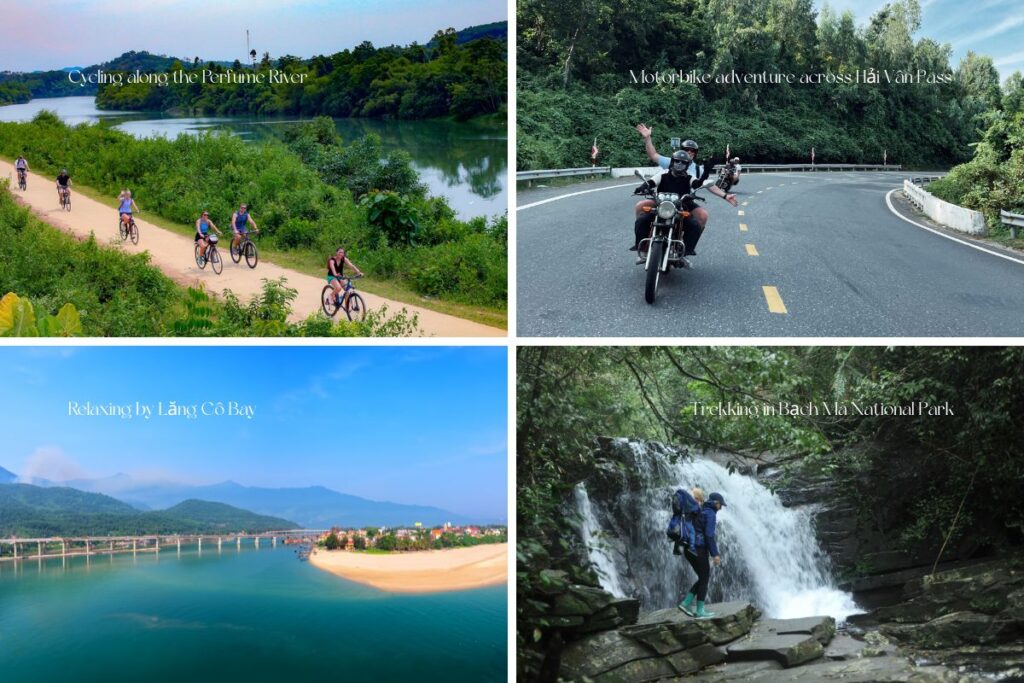
The rural roads that follow the Perfume River see almost no tourist traffic. On two wheels, you move slowly enough to notice things: a flash of colour at a temple gate, a grandmother sorting herbs in a doorway, the way the light hits the water between the trees at mid-morning.
The Cycling in Huế private tour (7 hours) covers between 4 and 20 kilometres depending on your level. You follow the river, pass through charming villages, explore an ancient riverside tomb, and end at the organic herb farm for lunch. Helmets and baby seats are available. This one works equally well for solo travellers, couples, and families with younger kids.
The Hai Van Pass between Huế and Đà Nẵng is the kind of road that appears on every Vietnam list for a reason, and it still manages to exceed expectations when you’re actually on it.
At its peak, you have the South China Sea on one side and cloud forest on the other. The switchbacks are slow enough to take in. At the top, there’s an old fortified gate called Hai Van Quan, dating back to the 15th century and still marking where the climate of the north meets the south. It’s not a dramatic monument. It’s just a real thing, on a real mountain, on one of the most genuinely beautiful coastal roads in Vietnam.
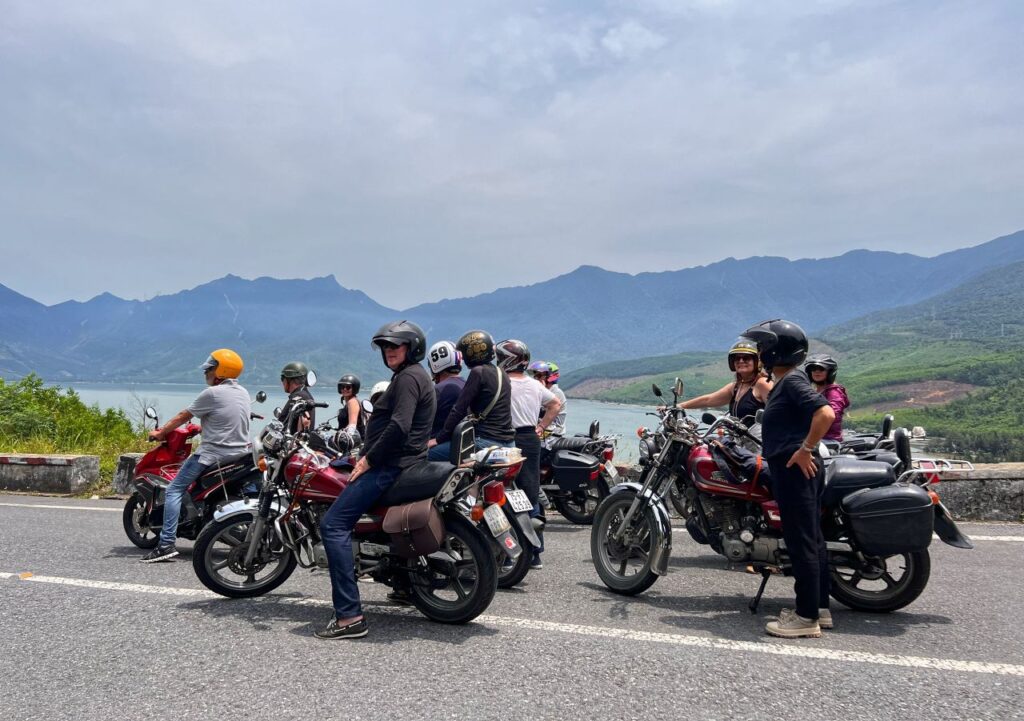
The Beyond the Road motorbike tour from Huế to Hội An (8 hours) includes stops at the 200-year-old Thanh Toàn Bridge, the An Bằng Cemetery (an extraordinary “city of ghosts” built like a village of temple-tombs), a seafood lunch and swim at Lăng Cô Beach, the Hai Van Pass. It’s the kind of day that gives you the thrill of the open road, the weight of real history, and a view from the top of a mountain that genuinely stops you mid-sentence. The tour ends in the lantern-lit streets of Hội An, or returns to Huế.
For those with a full extra day, Bạch Mã National Park sits just an hour from Huế and offers some of central Vietnam’s best trekking. Forest trails lead to hidden lakes, and the Đỗ Quyên Waterfall is a reward worth the climb. A local expert guide makes the difference between a walk and an education in the ecosystems of the Trường Sơn range.
Most of us are. The story chaser who wants to cycle. The wanderer who’ll take the mountain pass. The active explorer who ends up sitting very still in the Forbidden Purple City, not quite ready to leave.
Huế is generous that way. The question isn’t which type you are. It’s how long you’re willing to stay.
If you’re thinking about where to go after Huế, our guide to the best time to visit Vietnam in 2026 covers the full picture: weather windows, regional differences, and how to plan a journey north or south from here. And if you’re curious about what lies further north, our North Vietnam adventure guide is a good next read.
✅ When to go: The dry season runs from February to August. September to January brings cooler weather and some rain. The city is quieter then and still very much worth it, but pack a layer.
✅ Getting there: Huế has its own international airport (Phú Bài). Most travellers connect via Hà Nội or Hồ Chí Minh City. The train between Huế and Đà Nẵng is one of Vietnam’s most scenic rail routes.
✅ How long to stay: Two nights is the minimum to do it justice. Three days lets you breathe. If you’re combining Huế with Hội An via the motorbike route, that transition day is already built in.
✅ Getting around: Private tours are the most efficient and honest way to see the surrounding countryside and sites, particularly if you’re travelling with kids or have specific interests. The citadel is walkable from the city centre, but the tombs and lagoon require transport.
✅ What to eat: Don’t leave without trying bánh bèo (steamed rice cakes), bún bò Huế (the original, fierier version of the dish), and com hến (clam rice, a Huế breakfast staple). The street food here has its own regional identity, quite different from Hội An or Hà Nội.
1️⃣How many days do I need in Huế?
Two days is enough to see the main sites. Three gives you time to go beyond them: the countryside, the lagoon, a day trip toward the Hai Van Pass. If you’re planning to combine Huế with Hội An via motorbike, one of those days becomes a travel day that’s worth every kilometre.
2️⃣ Is Huế good for families with young children?
Very much so. The private tour format means everything moves at your pace, with no group schedule to keep up with. The cycling tour, the lagoon boat trip, and the motorbike route all have family-friendly versions, with helmets, baby seats, and flexible itineraries built in.
3️⃣ What is the Hai Van Pass and is it safe to cross by motorbike?
The Hai Van Pass is a mountain coastal road that connects Huế and Đà Nẵng, reaching around 500 metres above sea level. It’s safe with experienced local drivers and proper helmets. The road conditions are good, and a backup car is available on request. It’s one of the most rewarding travel moments in Vietnam.
4️⃣ Is Bạch Mã National Park worth a visit from Huế?
For hikers and nature-lovers, yes. It’s around an hour from the city centre and offers forest trails, waterfalls, and excellent birdwatching. Best visited in the dry season. A local guide is strongly recommended.
Not sure where to start? Tell us what pulls you: the history, the countryside, the open road. We’ll take it from there.
Every Chôm Chôm Travel tour in Huế is fully private, led by a locally born expert, and built around your pace. We travel slowly by design, because the best parts of Huế reveal themselves when you stop rushing and start paying attention.
Start planning your Huế adventure


© 2026 Chôm Chôm Travel All right reserved.